Week Start
Monday often brings increased stress as people transition from rest to work demands. Planning and preparation can ease this transition.
Understanding how stress levels naturally ebb and flow throughout the day can help you plan activities and rest periods more effectively.
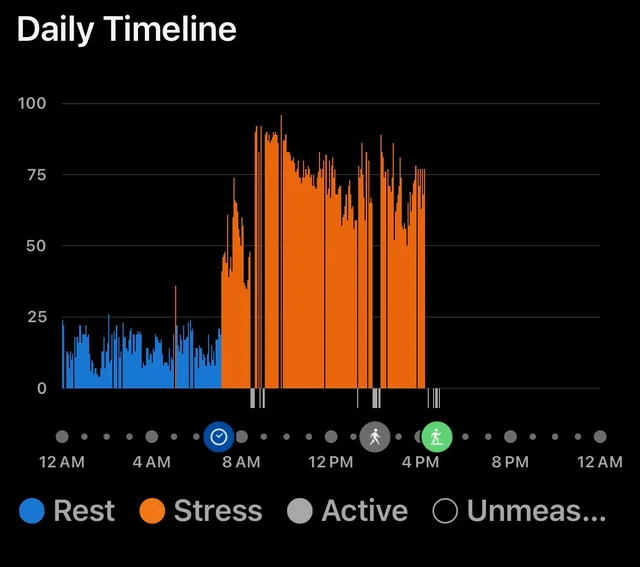
The morning period often sets the tone for the entire day. Many people feel more alert in the early hours after waking, though experiences can vary.
This natural rhythm means mornings can be optimal for tasks requiring focus and energy, but also a time when stress can build quickly if the day begins with pressure.
Allow buffer time in your morning routine to avoid rushing and early tension buildup.
Incorporate brief pauses before diving into demanding tasks.
The middle of the day often brings an energy dip. Many people notice reduced alertness and feel more sensitive to pressure during this period.
Understanding this pattern allows you to schedule demanding tasks strategically and use this time for lighter activities or brief restoration.
Use lunch as an opportunity to step away from work and reset mentally.
A short walk can help counter the midday slump and reduce accumulated tension.
Late afternoon often brings a second wave of energy for many people. However, if stress has accumulated throughout the day, this period can feel particularly challenging.
Evening hours are important for transitioning from activity to rest. The choices made during this time can influence sleep quality and next-day stress levels.
Briefly acknowledge what you accomplished rather than focusing on unfinished items.
Create a transition zone between work and rest to signal your body it is time to relax.
Reducing screen time in the evening supports natural sleep preparation.
Stress levels also follow weekly rhythms that are worth understanding.
Monday often brings increased stress as people transition from rest to work demands. Planning and preparation can ease this transition.
Stress often peaks midweek when accumulated tasks and fatigue combine. Strategic breaks become especially important.
Weekends provide opportunity for restoration, though over-scheduling can create additional pressure instead of relief.
Reach out to us with your questions about stress and daily well-being.